Your Guide to the Future

Accelerating Computing Power Will Change AI and Deliver the Next Big Thing

Book titled "Computing Power Drives the Future".
Modern data center with blue server lights.

Computing Power Drives the Future

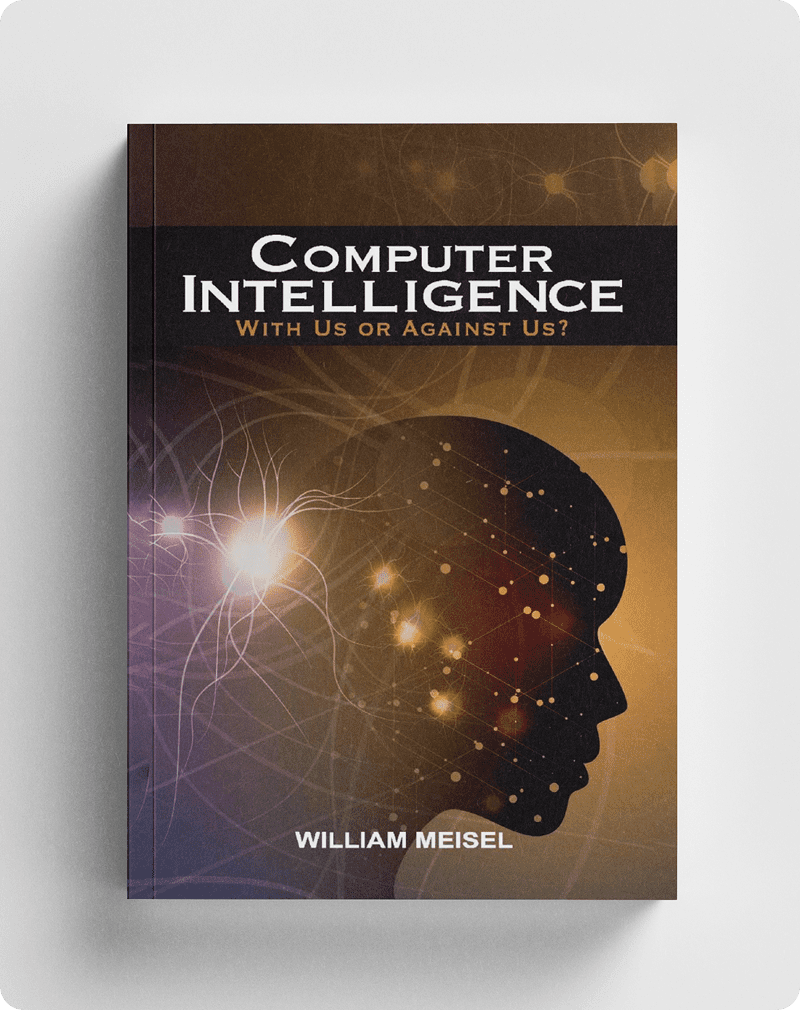
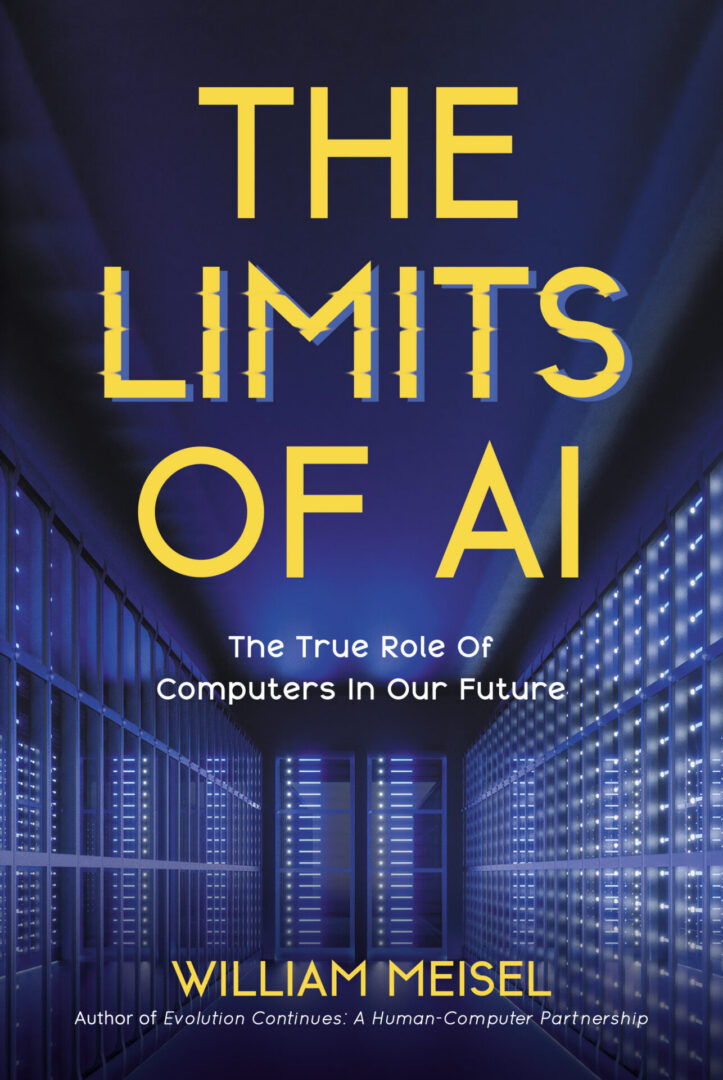
Computing power has long grown at an exponential rate. That rapid advance has allowed digital systems to do more each year. Computer power crossed a major threshold when it made “Artificial Intelligence” driven by deep neural networks economically feasible. And huge investments are being made in ever-larger computer centers to support AI. This book challenges the assumptions behind those huge investments and explains why the generative AI that is making all the news is over-rated.

Computer power crossing a threshold allowed deep neural nets to be practical, and they have indeed been used effectively for many limited applications. Meisel discusses the “next big thing” that exponential growth in computer processing speed will allow.

The book provides a realistic description of what we can expect as computer power grows ever more quickly than most past innovations, with major impacts on society, the economy, and competition between countries.
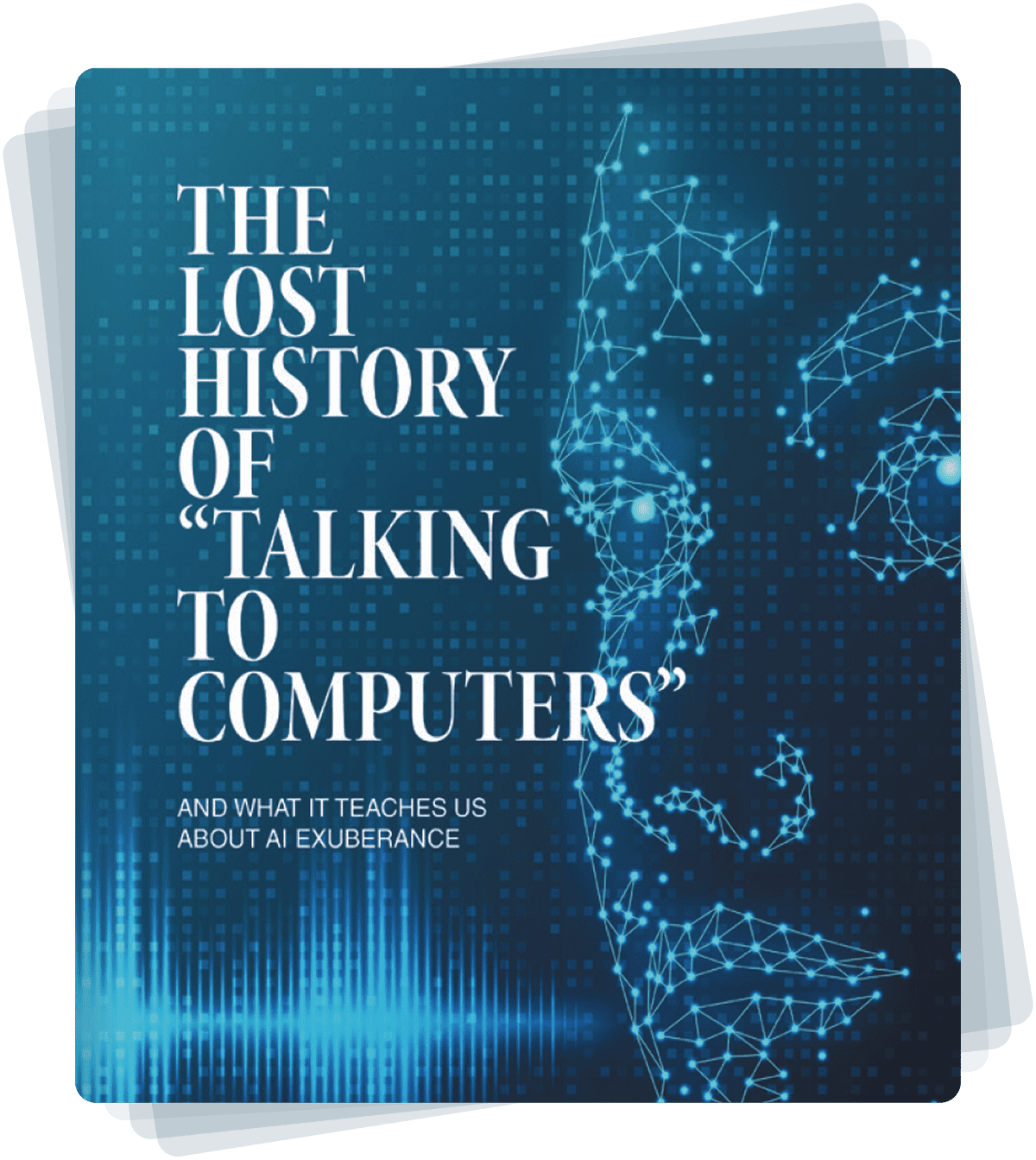
The Lost History of Talking to Computers

Speech recognition—using human language to connect with computers—is an area of Artificial Intelligence (AI) that has caught people’s imagination and challenged hundreds of companies to make it a reality. The Lost History of “Talking to Computers” documents 27 years of efforts by companies and the individuals driving them to connect us to computers using human language and to make a financial success of the effort. It is based on the 309 monthly newsletters on commercial developments in speech recognition that I published for 27 years.

In some years, over 300 companies believed they could profitably deliver speech recognition technology or its applications. They faced the hurdle of the cost of computing power being much higher than it is today and had to compromise in early years on their objectives, finding applications that both served a need but could be delivered at an affordable price. This history provides a perspective on how difficult technologies evolve more slowly than we remember, with much of that history and its lessons lost. The book discusses how the history of speech recognition provides insights into today’s exuberance over Artificial Intelligence.

Digital face with text about AI history.
Elderly man in a suit and tie.

About William

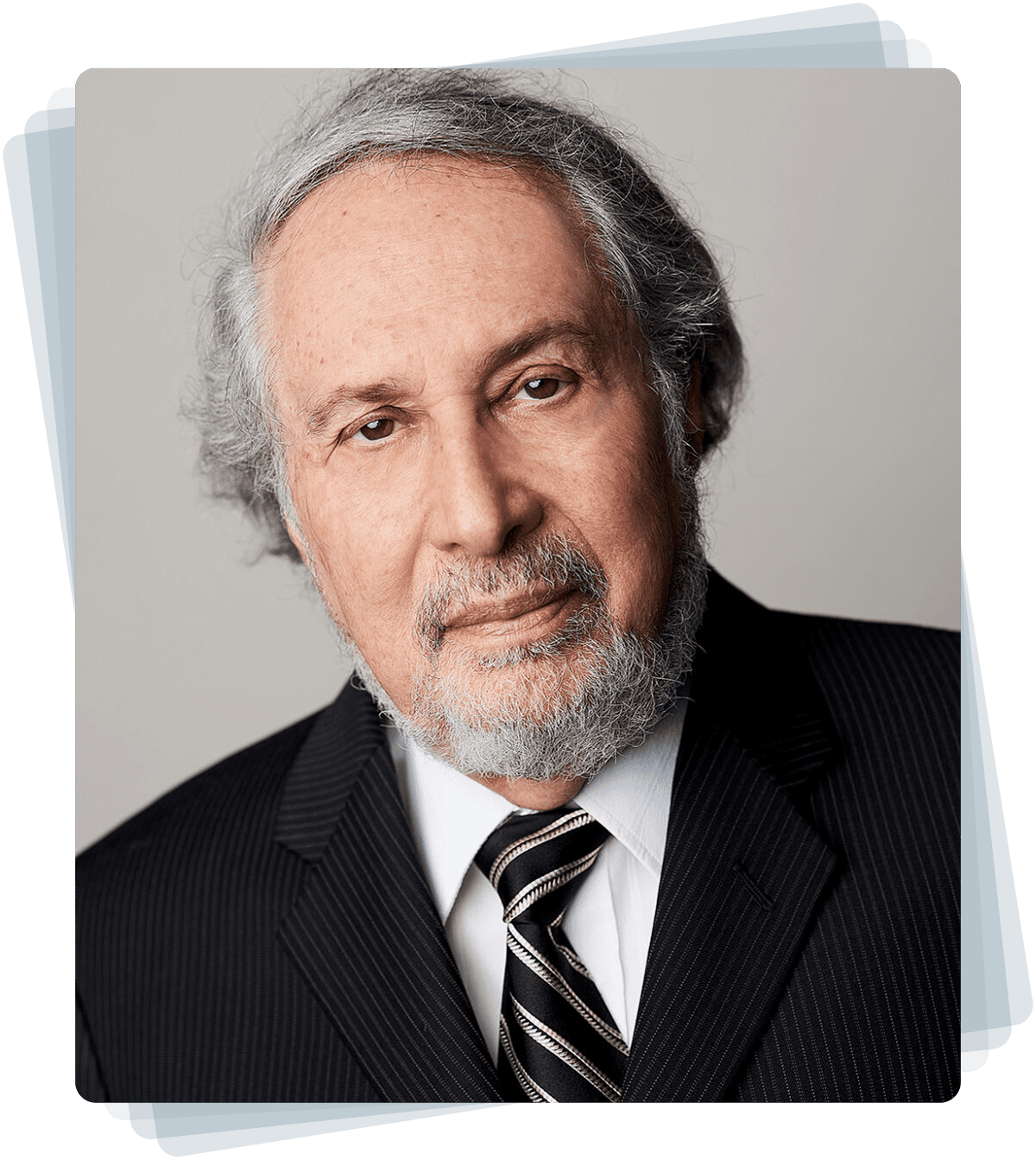
William Meisel holds a Ph.D. in Electrical Engineering from the University of Southern California and a B.S. from Caltech. He has worked in the field of artificial intelligence for most of his career. His professional experience includes managing a computer science division for a defense company, founding and running a speech recognition technology company, and serving as an industry analyst for over 25 years.

Other Books by Him

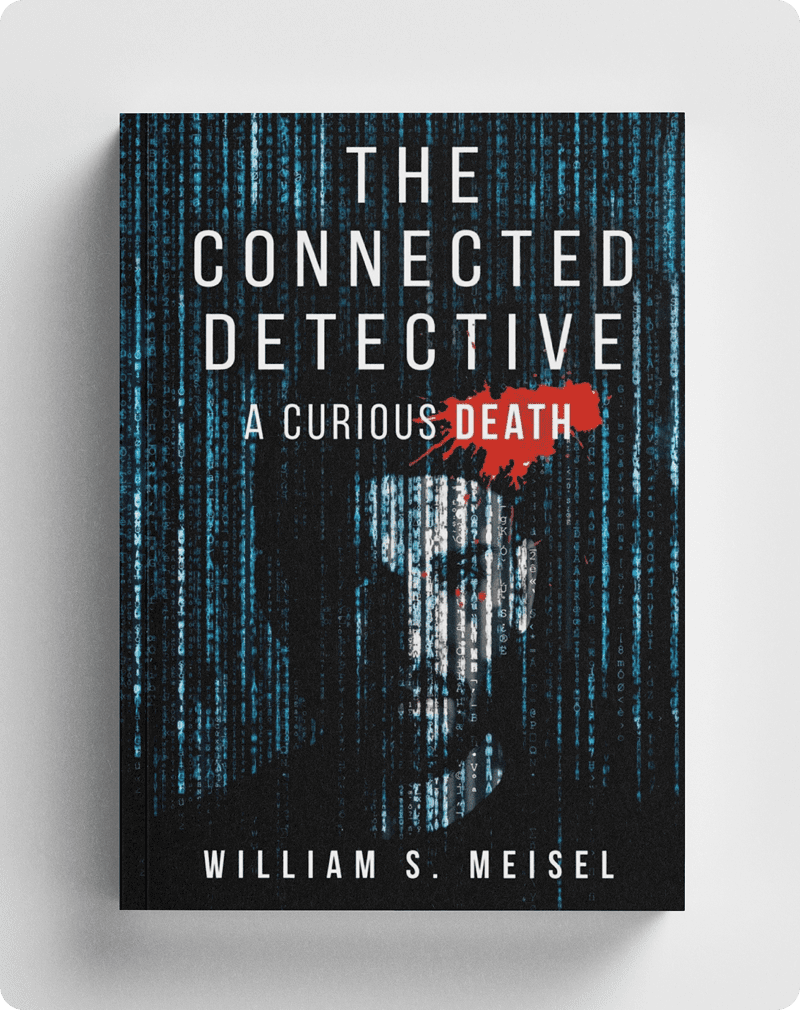
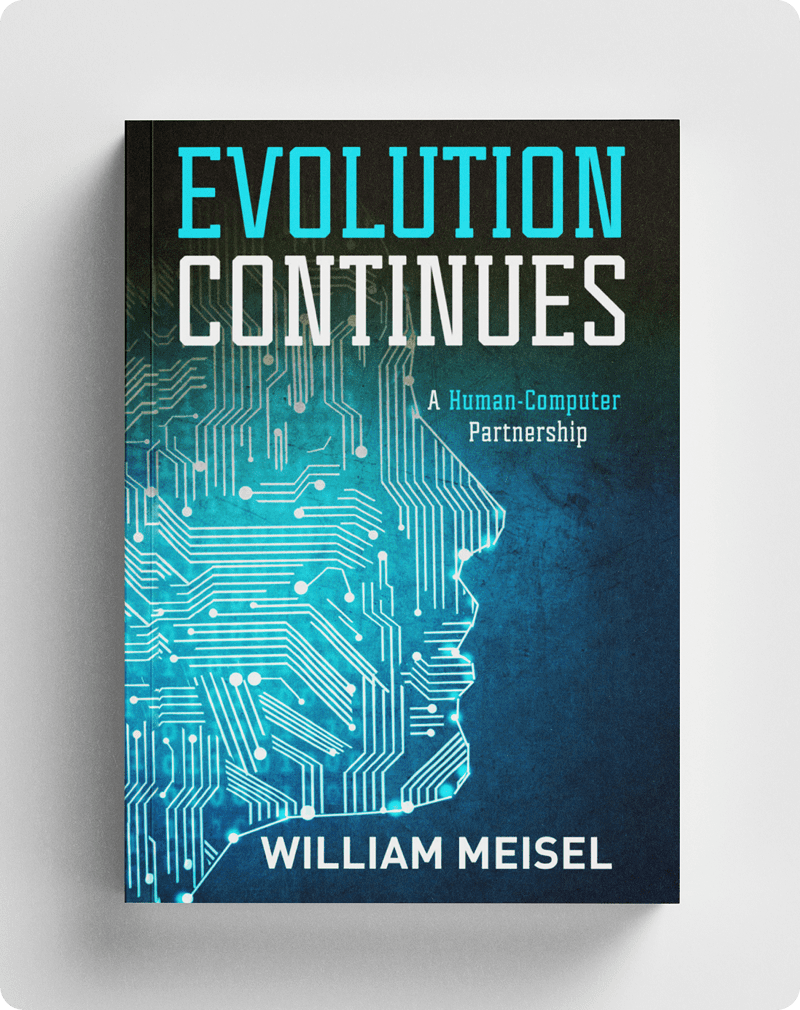
Explore his other works on AI, computing, and technology.

Want More?

Gain deeper insights into why he believes a "bigger-is-better" approach to AI may be flawed, and explore his other articles and essays on technology's impact on society.

Two people analyzing digital financial data.